
30ashopper
SoWal Insider
The protests have ignited a wider national debate over the role of labor unions and who should shoulder sacrifices as states scramble to tackle yawning budget deficits. Governors in both political parties are looking for union concessions as they struggle to balance budgets. Some are pushing aggressively to curtail the power of unions to organize or collect dues.
On Monday, thousands of steelworkers, autoworkers and other labor activists surrounded the Indiana state capitol to protest a bill before the legislature to dramatically weaken the clout of private-sector unions. This is in contrast to Wisconsin, where a newly elected Republican governor is in a standoff with public-sector unions and their allies.
In Ohio, union officials are expecting 5,000 or more protesters Tuesday at the state house, where a legislative panel is considering a Republican-backed bill that would restrict collective-bargaining rights for about 400,000 public employees. Republican Gov. John Kasich supports the bill, a spokesman said.
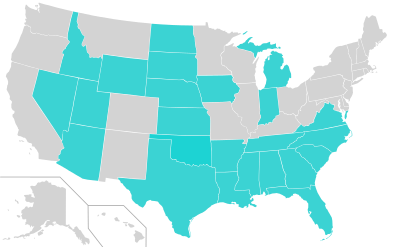
In Indiana, a House committee on Monday approved legislation to change state law so that private-sector workers no longer would be required to pay dues or belong to a union that bargains on their behalf. Unions say this would erode union membership, and eventually their finances and political clout, if workers decided not to join or pay dues. Supporters say the change would make the state more competitive and attract employers.
Indiana's Republican Gov. Mitch Daniels has aggressively gone after the state's public-sector unions, taking away their collective-bargaining rights on his first day in office in 2005. He is also pushing the state legislature this session to weaken tenure protection for teachers. But he has opposed the right-to-work bill that is now stirring anger in Indianapolis, fearing it would distract from his main legislative priorities.
Political Fight Over Unions Escalates - WSJ.com
Interesting read. I wonder how Florida law stacks up on this issue. Seems most of the states looking to make changes are mid-western, previously pro-union states all of which have massive budget short falls.